The scale of plastic waste in our oceans is overwhelming. Every year, millions of tonnes of plastic enter marine environments, with consequences stretching from coastal waters to the deep sea. At the same time, efforts are under way to drive meaningful change. Through the SeaClear2.0 project, at Sweden’s only Marine Recycling Centre, collected waste is given a voice — telling the story of the ocean’s vulnerability and our shared responsibility.
Plastic pollution is often perceived as a distant problem. Many people lack a direct connection between everyday consumption and the consequences of plastic waste being carried into oceans, lakes, and waterways. It is within this gap — between knowledge and empathy — that initiatives are carried out, based at the Marine Recycling Center in Sotenäs through the SeaClear2.0 project.
When the material carries its own message
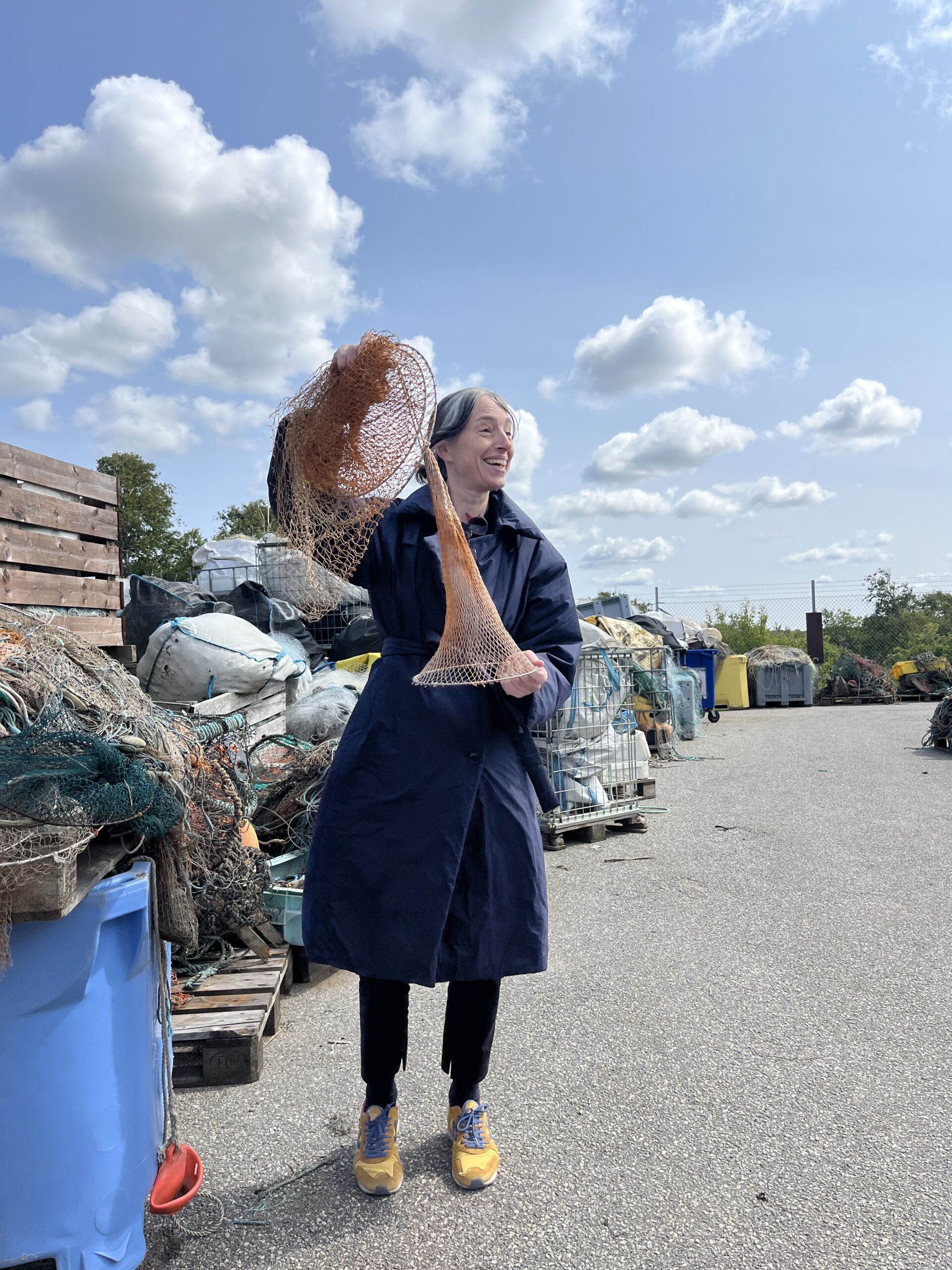
At the recycling centre, large volumes of marine waste are handled every year. Materials arrive from beach clean‑ups, harbour diving and deliveries of discarded and retrieved fishing gear that has been lost at sea or stored on land. On site, the plastics are separated, sorted and documented before continuing on to reuse, recycling, innovation — and artistic creation.
Marine plastic waste is a powerful communication tool. When people encounter plastic that has actually been in the sea — nets, ropes, crates and fragments — perspectives shift. What was once statistics suddenly becomes tangible.
“When we open up our operations and share our work, we clearly see how it creates engagement among visitors and the local community. During my time developing the Marine Recycling Centre, I have seen how powerful the material itself is as a medium. It carries its own story in a very immediate way, which led me to reflect on the expression ‘the medium is the message’,” says Charlotte Berg, Project Manager.
Marine plastic meets light
A central ambition of the project is to make visible the journey of plastic — from sea to handling and onwards into new products, art and forms of expression. By working with the material across multiple stages, a broader understanding is created of both the scale of the problem and the solutions required.
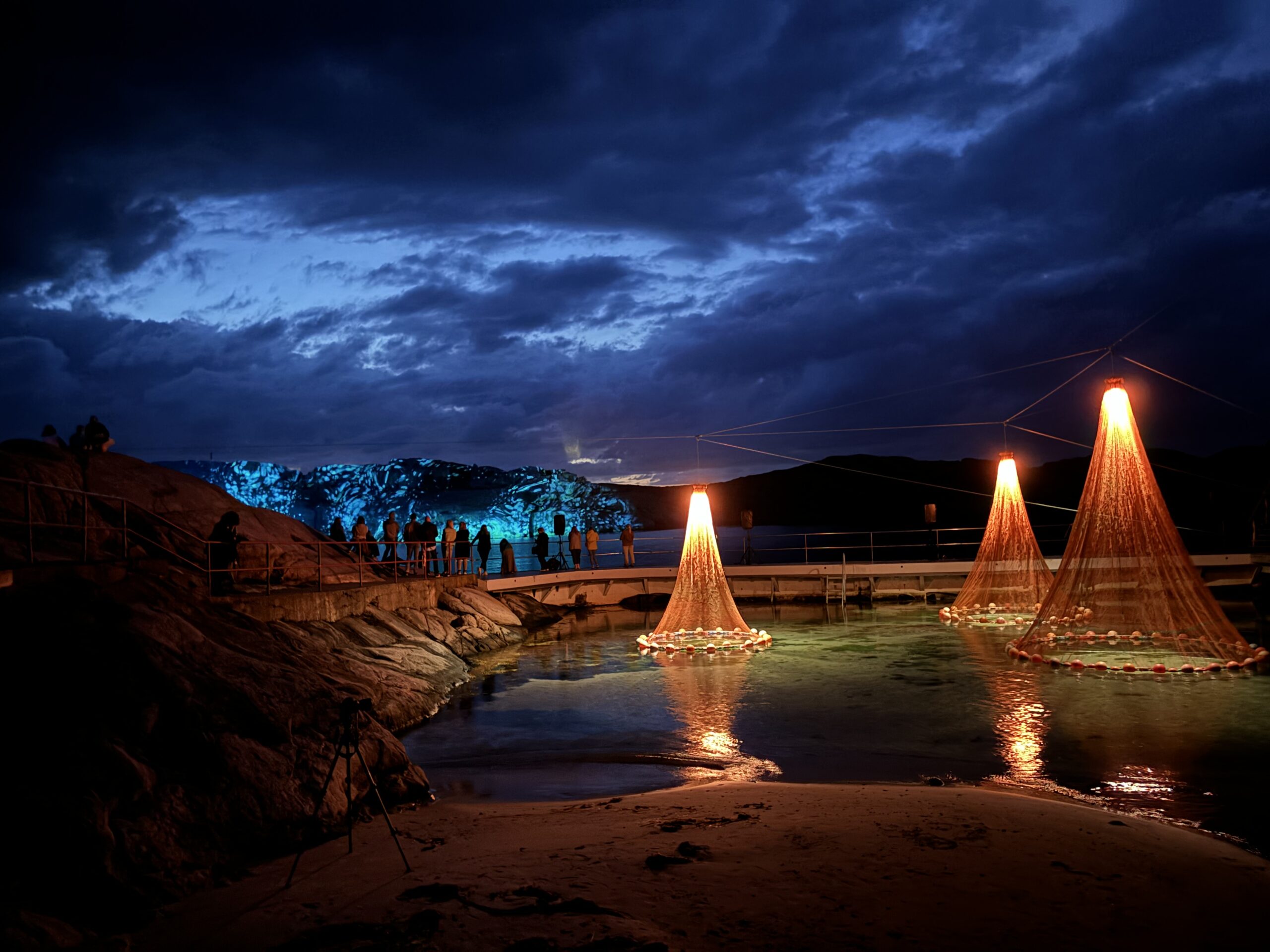
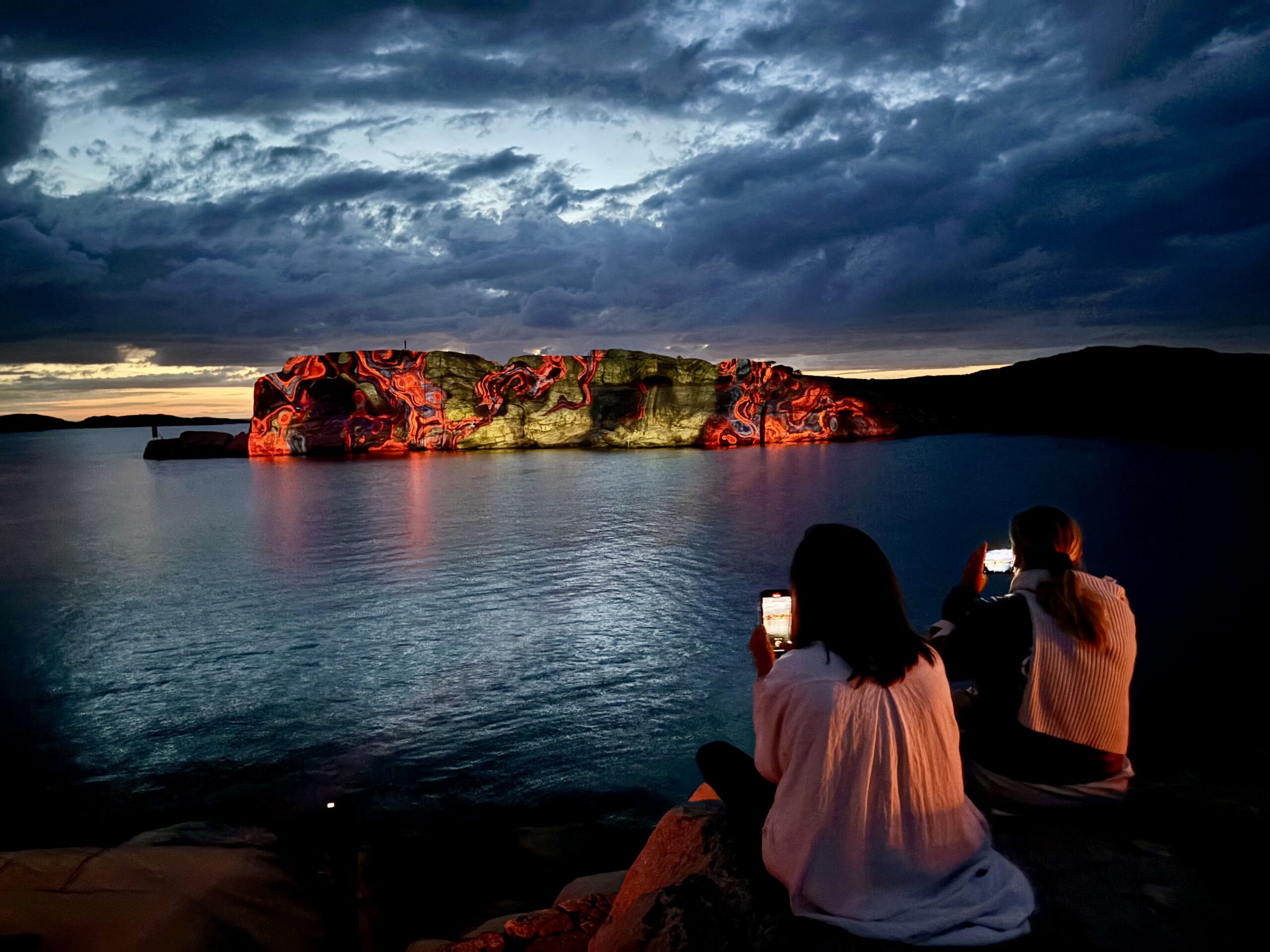
The light art festival Island of Light, held in Smögen in Sotenäs, is an important arena for this narrative. Materials from the Marine Recycling Centre are used in art installations and light works that meet thousands of visitors in public space.
“One example is the artist Aleksandra Stratimirovic’s work Underground, first shown at Island of Light and later touring internationally in parks, festivals and art contexts. Since then, she has returned each year with new works, always in collaboration with the Marine Recycling Centre,” says Dulce Ahlberg, Artistic Director of Island of Light.
Art and design that take a stand
Through SeaClear2.0, collaboration has been established with a number of artists and design practitioners. OpenArt Sweden and the artist Karen Froede are two further examples.
For many of those working with marine plastic, it is not merely a material — it is a statement. Through design and experimental processes, waste is explored as a resource with new value, while awareness of the ocean’s vulnerability reaches new audiences.
Mobilising the local community
Children and young people also participate in the project’s activities in various ways. During West Coast Week and SeaClear2.0’s Citizen Activation Event in Smögen, families have been engaged through beach litter bingo and interactive learning activities that create participation, curiosity and greater awareness of marine waste.
At the same time, local work continues all year round. The municipality’s beach‑cleaning teams and harbour divers, together with NGOs and volunteers, help recover large quantities of plastic from the sea and remove it from the shoreline. Through social media, exhibitions and public activities, these efforts are shared and connected to a wider context.
From local action to global insight
The work within SeaClear2.0 contributes not only to technological development and recycling, but also to demonstrating how local actions are linked to global challenges.
“Through the SeaClear2.0 project, we have been able to further develop the connection between art, communication and marine waste, and use it to strengthen awareness and our shared responsibility,” says Charlotte Berg.
The ocean belongs to no one — and that is precisely why it concerns us all.