
aSSOCIATED REGIONS
PROJECTS SUPPORTED BY THE SEACLEAR2.0 PROJECT
We are pleased to announce the launch of the SeaClear2.0 Associated Regions, projects supported by the SeaClear2.0 project. The 5 selected regions are strategic partners of SeaClear2.0, receiving a grant of up to €100,000 each to showcase the feasibility, replicability, and scale-up of SeaClear2.0’s pioneering solutions for identifying, collecting, and valorising marine litter.
Through site-specific solutions and citizen engagement activities, the Associated Regions aim to prevent and minimise marine litter and foster an ocean literate society in their regions.
RECLAIM
Recycling and Cleanup of Litter in Aquatic and Industrial Marine environment
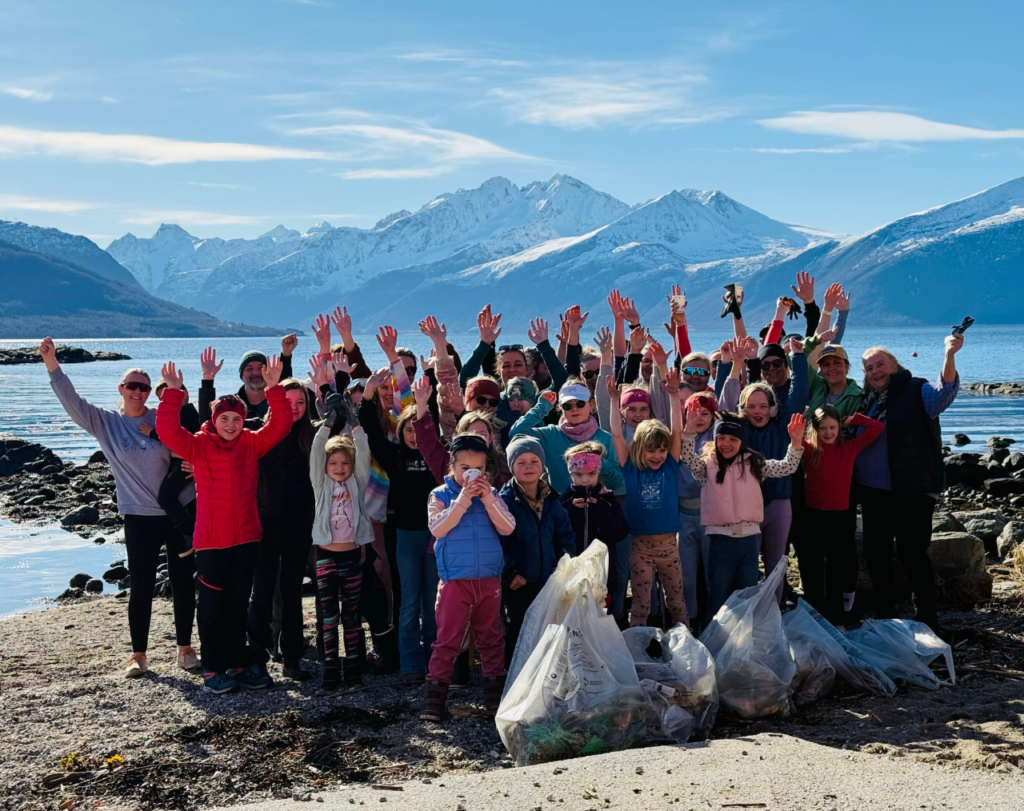
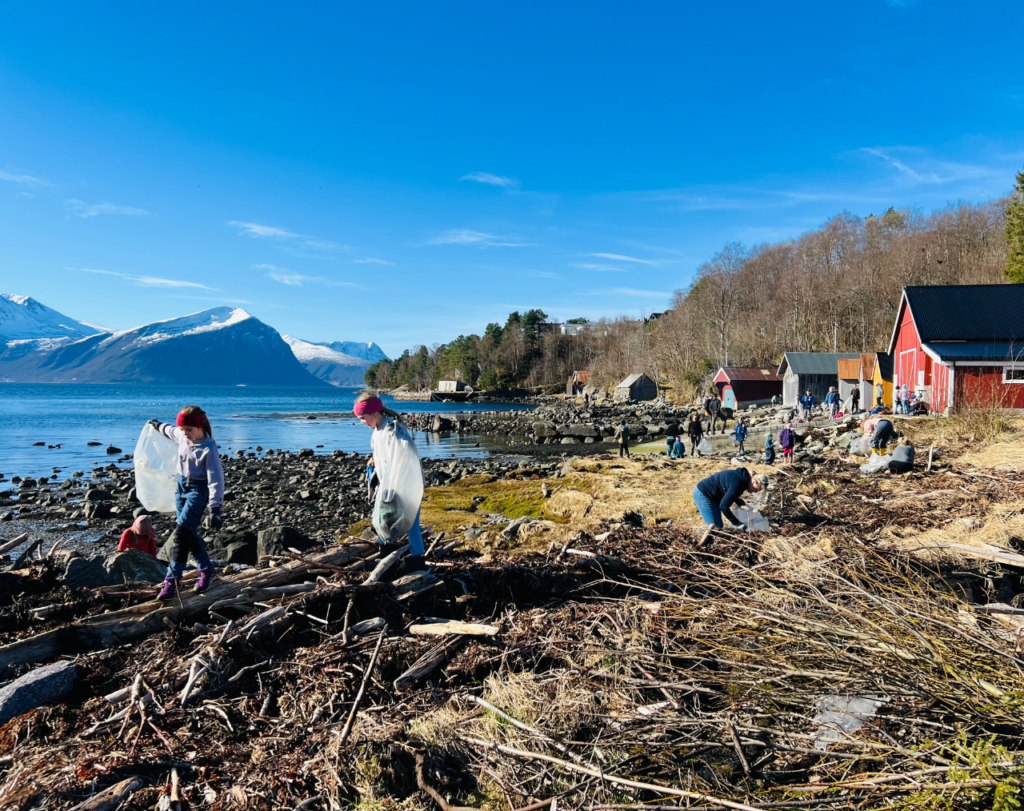
The RECLAIM project is a collaborative initiative among three municipalities, designed to combat marine litter along the Møre and Romsdal County coastline in Norway, a north Atlantic region noted for its rich marine ecosystem and economic dependence on fishing and aquaculture. The project combines public engagement, citizen science, technological innovation, and sustainable practices to address the issue of marine litter, focusing on the marine industries. Aligned with the SeaClear2.0 vision, RECLAIM capitalizes on existing regional initiatives, utilizing local resources and expertise to amplify the impact of its strategies and promote long-term environmental sustainability in the region.
Date of the award: 26.08.2024
Official starting date: 12.09.2024
Duration: 16 months
Beneficiary Legal Name and Country: Ålesund kommune (Municipality of Ålesund), Norway
Project objectives
- Raise awareness of marine litter challenges and mobilise citizens, volunteer organisations, municipalities and businesses to take action through cleanup activities.
- Improve marine litter monitoring through citizen science, data collection and digital tools, supporting the identification and analysis of litter sources both above and below water.
- Explore innovative circular economy solutions for marine litter through reuse, repair, refurbishment and upcycling initiatives involving the fisheries and aquaculture sectors.
RESULTS
- 4 workshops organised on marine litter monitoring, citizen science and upcycling solutions
- Policy discussions initiated with municipalities to integrate marine litter management into regional waste strategies
- Engagement of key industry stakeholders, including Kongsberg Maritime (maritime technology), Hofseth (aquaculture) and NEAS (energy sector), to support cleanup actions and circular economy initiatives.
- Collaboration established with 13 volunteer organisations across the region
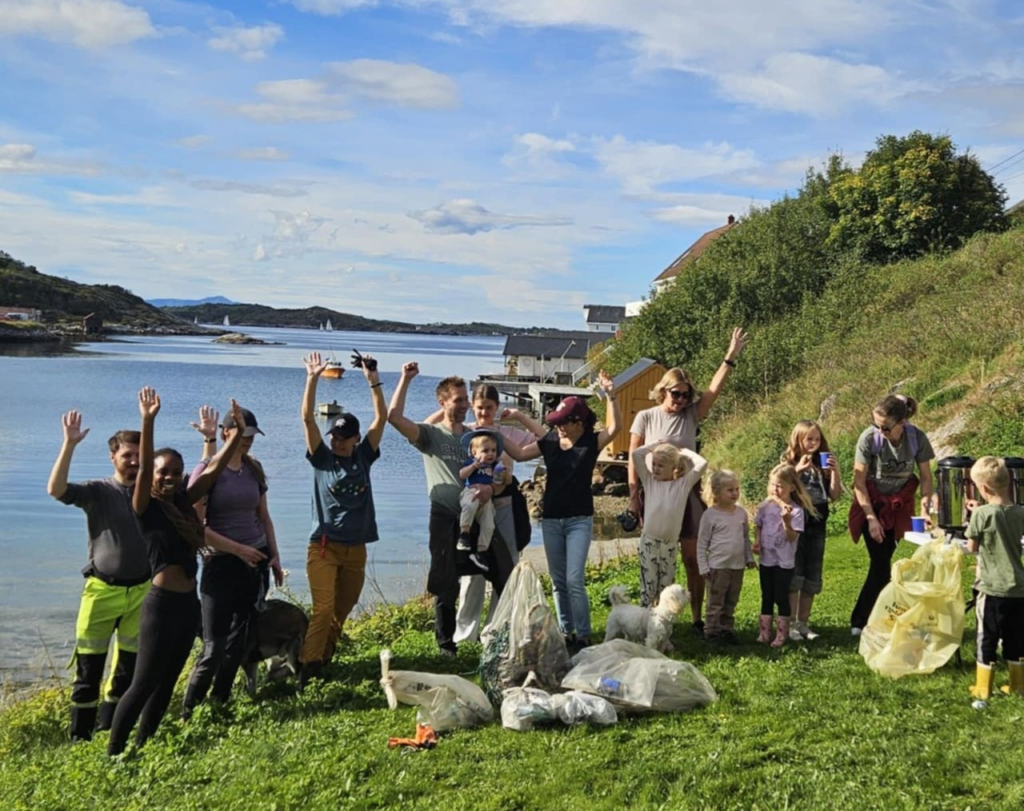
- 6 cleanup events organised with municipalities, schools and volunteer organisations
- More than 200 geo-tagged marine litter entries collected through the PlastOPol citizen science platform
- Over 700 kg of marine litter collected through large-scale cleanup actions across Møre og Romsdal
- Improved functionality of the PlastOPol app through collaboration with NTNU
- Marine litter awareness campaigns reached thousands of citizens through social media and public events
- RECLAIM recognised as an impactful EU-funded initiative at the EU Oceans and Waters Mission Days in Brussels
MERMAID
Marine littER MitigAtion In MeDiterranean
The MERMAID project brought together the Greek island municipalities of Skyros, Alonissos and Poros to develop a holistic model for marine environment protection. Through a combination of prevention, monitoring, marine litter remediation, environmental education, scientific research and community engagement, the project aimed to reduce marine litter, strengthen recycling and circular economy practices, promote the use of innovative technologies and support evidence-based environmental policies. Building on the Blue Municipalities Network, MERMAID demonstrated how local authorities, citizens and environmental organisations can work together to protect marine ecosystems and promote sustainable coastal communities.
Date of the award: 26.08.2024
Official starting date: 01.10.2024
Duration: 18 months
Legal name and country: Municipality of Skyros, Greece
Project Objectives
- Reduce marine litter through prevention, monitoring, remediation and community-led action.
- Enhance recycling and circular economy practices through Marine Litter Collection Stations (MLCSs) and the reuse of marine waste.
- Improve marine litter monitoring through scientific research, data collection and innovative technologies.
- Promote environmental education, citizen participation and environmental democracy.
- Support evidence-based policy development for marine and coastal protection.
RESULTS
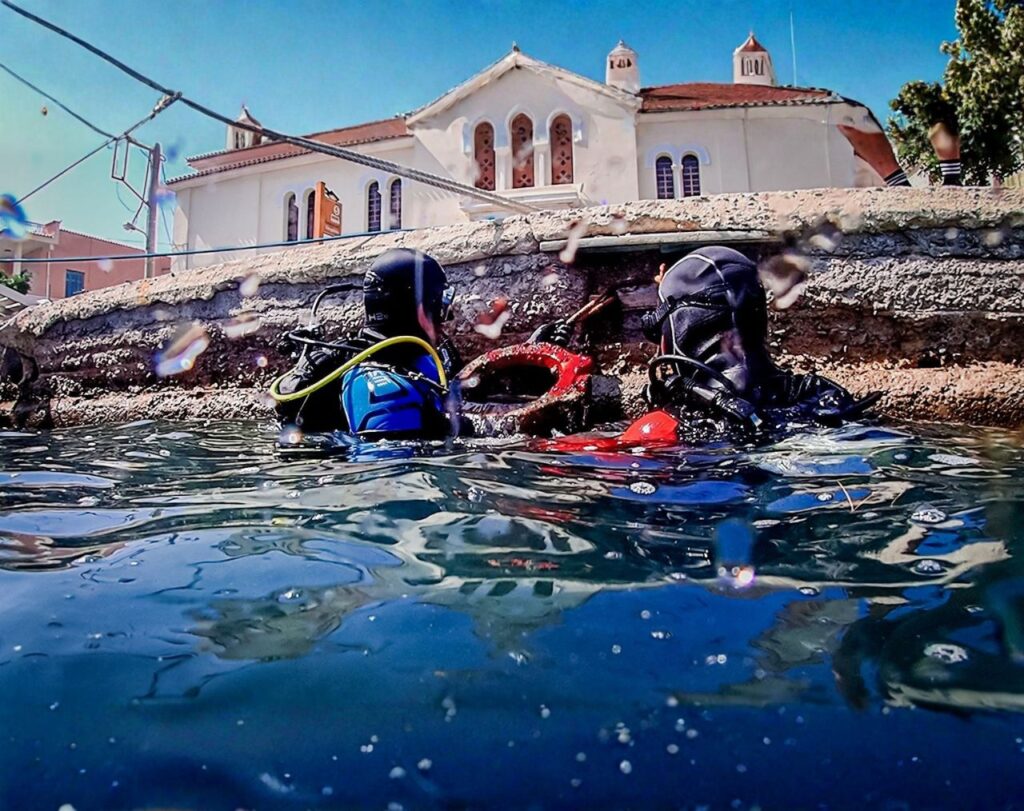
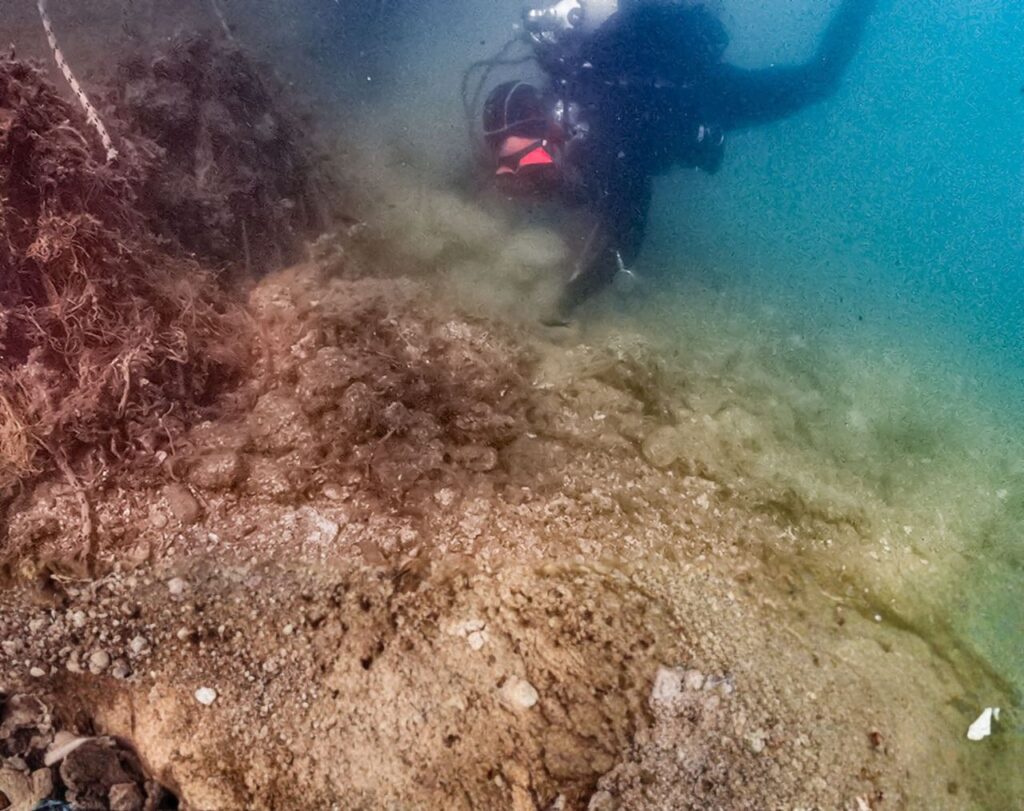
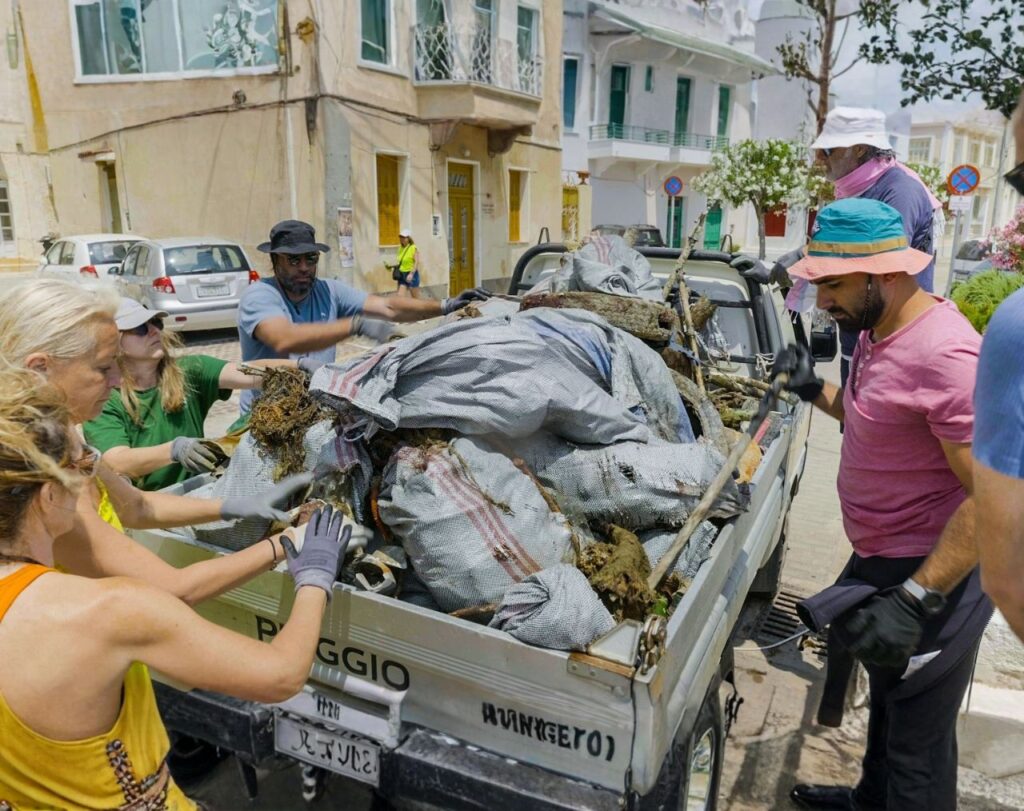
- 3 large-scale underwater and coastal cleanup actions implemented across Skyros, Alonissos and Poros.
- Cleanup activities carried out in 7 ports and 2 beaches, engaging more than 80 participants.
- Research conducted on microplastics, macroplastics, seawater quality and seabed sediment across all three islands.
- ROVs, drones, sonar systems and underwater cameras deployed to locate marine litter and abandoned fishing gear.
- Marine litter datasets, GIS databases and scientific monitoring data developed to support future research and policy making.
- Educational programmes delivered in schools across the three islands, introducing students to marine conservation and innovative technologies.
- 6 participatory events organised involving citizens, students, local authorities and stakeholders.
- Community of Practice established with more than 200 active members supporting marine litter prevention and remediation.
- Policy recommendations developed through stakeholder meetings across all three municipalities.
- Project activities and results reached more than 70,000 people through awareness and dissemination actions.
SYMBIOSIS
SYMBIOSIS – Sotenas Marine Recycling center connecting to Mission Seaclear2.0
Sotenäs municipality Centre SYMBIOSIS has dealt with marine plastic litter for the last decade due to the massive influx from the sea. Multi actor collaborations in regional sea and national networks have been successful in establishing Sweden’s first and only marine recycling center. SYMBIOSIS will further develop a test bed for upcycling, reusing and recycling of marine waste, at the marine recycling center. Circular flows and business models will be further developed and communicated, as well as protocols and practices for finding, retrieving and collecting ghost fishing gear with high tech and traditional knowledge from professional fishermen and divers. Art and creative sector will be involved in both value chains and outreach work.
Date of the award: 22.08.2024
Official starting date: 01.10.2024
Duration: 20 months
Legal name and country: Sotenäs kommun (Municipality of Sotenäs), Sweden
Project Objectives
- Retrieve and manage ghost fishing gear and marine litter from coastal and underwater environments.
- Promote circular economy solutions through marine waste reuse, recycling and upcycling.
- Advance innovative retrieval methods by combining local expertise with new technologies.
- Engage communities, industry and stakeholders in marine litter prevention and awareness.
- Develop scalable and replicable solutions for marine litter management across Europe.
PLASTIC LITTER PREVENTION GEORGIA
Plastic Dialogues: Citizen science for piloting, testing, and evaluating plastic capture techniques in the Georgian Black Sea Coast
The project addresses plastic pollution from Georgian waterways by installing, testing, and evaluating the cost-effectiveness and community mobilization of 3 plastic capture methods in Cherpalka River: estuarine trap, recycled plastic bottle barrier and end-of-pipe trap. As an awareness-raising campaign, the citizens will be engaged by helping in plastic litter capture barrier assembly and collecting data on the types and volumes of plastic debris gathered. Best practices to improve plastic waste management will be developed and aggregated into the roadmap. The blueprint will be promoted and disseminated to chief stakeholders, environmental NGOs, ministry, sewage agency and broader public.
Date of the award: 21.08.2024
Official starting date: 15.01.2025
Duration: 20 months
Legal name and country: Poti City Municipality, Geo
Project Objectives
- Prevent and reduce plastic litter entering the marine environment in the Black Sea region through innovative litter capture and collection solutions.
- Improve marine and riverine litter monitoring and management by deploying technologies that intercept waste before it reaches the sea.
- Strengthen cooperation between local authorities, environmental organisations, universities and public institutions to address marine litter challenges.
- Raise public awareness and encourage citizen participation in litter prevention, cleanup activities and environmental stewardship.
- Support evidence-based decision-making through data collection and analysis on plastic litter sources and pathways.
- Contribute to healthier coastal and marine ecosystems by reducing pollution and promoting sustainable waste management practices.
- Demonstrate scalable and replicable solutions that can be adopted by other coastal and riverine regions facing similar marine litter challenges.
GHOST NETS HUNTER
Ghost Nets Hunter: The stakeholder-driven ghost nets recovery and upcycling in Hatay, Turkey
Ghost Nets Hunter, led by the Municipality of Samandağ in Hatay, Turkey, aims to tackle the growing problem of ghost nets in the eastern Mediterranean’s Iskenderun Bay. The project deploys underwater robots and sonar systems to map and recover ghost nets from the seafloor and works with divers, fishing cooperatives, NGOs, and the local community to pilot a full circular model—from detection to collection and repurposing. Ghost Nets Hunter demonstrates how cutting-edge marine technology, civic participation, and local innovation can be combined to address marine pollution and support the SeaClear2.0 mission to restore ocean health across European waters.
Date of the award: 27.01.2025
Official starting date: 01.04.2025
Duration: 17 months
Legal name and country: Samandağ Belediyebaşkanliği
Project Objectives
- Detect, map and recover ghost fishing nets from the seafloor using underwater robotic and sonar technologies.
- Reduce marine litter and its impact on marine ecosystems in Iskenderun Bay and the wider Eastern Mediterranean region.
- Promote circular economy approaches by repurposing and upcycling recovered fishing gear and marine waste.
- Engage fishermen, divers, NGOs, local authorities and citizens in collaborative marine litter prevention and recovery actions.
- Raise public awareness of the environmental impacts of ghost nets through clean-up activities, workshops and outreach campaigns.
- Develop a replicable roadmap for sustainable marine litter management that can be applied in other coastal regions.
- Demonstrate how innovative technology and community participation can work together to support healthier seas and oceans